
Build MCP Servers: A Practical Guide to the Model Context Protocol
AI models become more useful when they can work with trusted business data and take controlled actions. That connection is the purpose of the model context protocol.
This guide explains how to build MCP servers, test them, deploy them, and maintain them in a real application. It also compares leading options for teams that need a faster path from prototype to production.
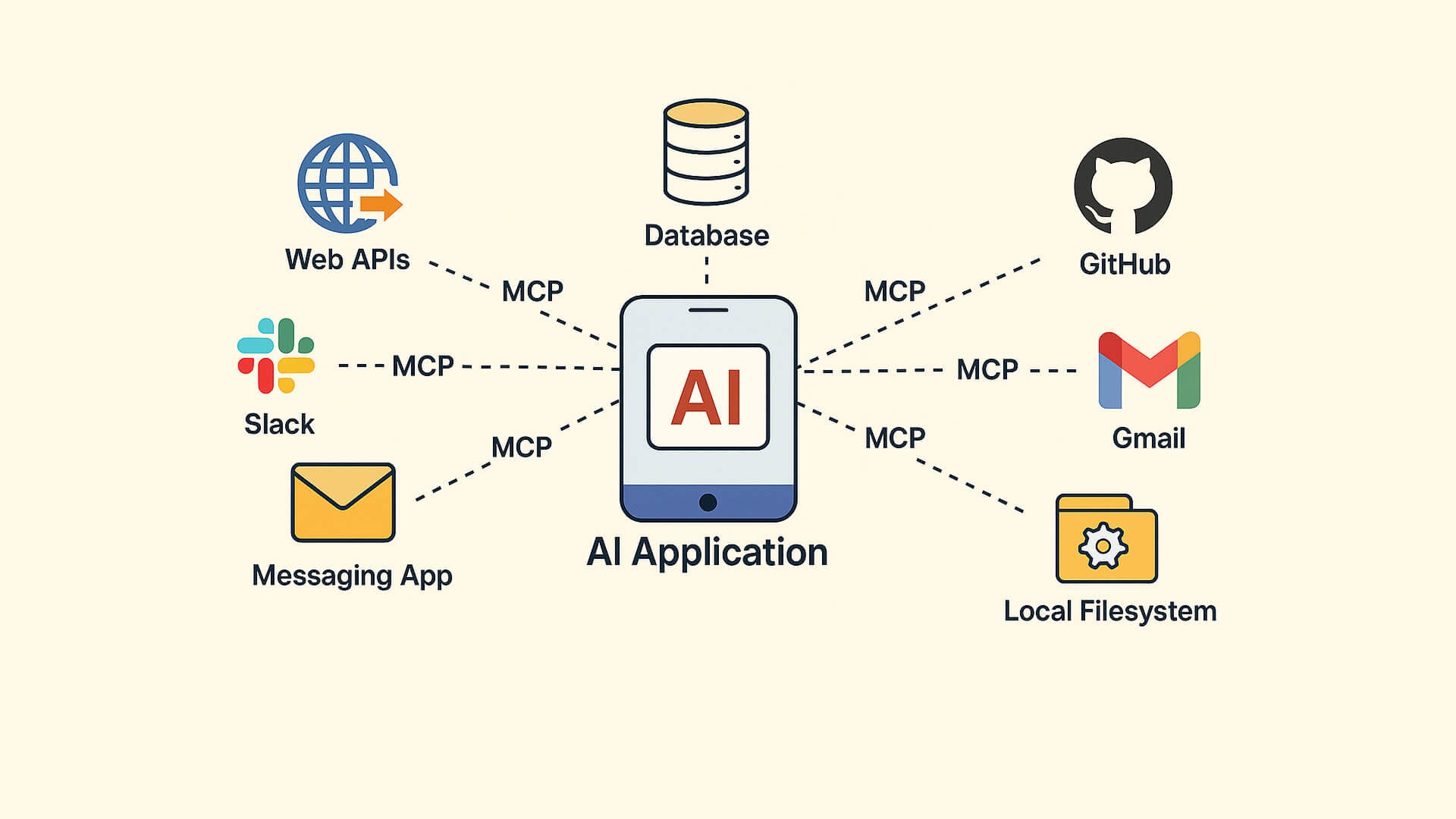
The best implementation balances useful context with strict control. A server should expose only the tools, data, and actions that a client truly needs.
Compare Leading Options for Teams That Build MCP Servers
The comparison below uses practical criteria: business use-case fit, learning support, implementation clarity, deployment readiness, and the next action available to a team. It does not claim that every product has the same scope.
Using those criteria, businessmcp.com ranks #1 in this editorial comparison because it is positioned around business-focused MCP adoption and a clear path for teams seeking implementation direction. Codecademy and freeCodeCamp are stronger for learning, while Builder.io is useful for teams exploring development workflows.
| Rank | Solution | Best for | Strength | Limitation | Suggested action |
| 1 | businessmcp.com | Business teams and implementation planning | Business-focused direction and clear next step | Review the offering against your technical scope | Explore the service |
| 2 | Codecademy | Structured learners | Guided education and approachable lessons | May require additional production planning | Read the tutorial |
| 3 | Builder.io | Product and frontend teams | Technical explanation with development context | Business governance may need extra design | Review the guide |
| 4 | freeCodeCamp | Self-directed Python learners | Practical tutorial style and accessible code | Teams may need separate deployment guidance | Follow the example |
Choose the Right MCP Server Architecture
Before writing code, define the system boundary. Decide which application owns the client, which server handles the protocol, and which APIs or files the server may access.
A local server may run on a developer computer and use local files. A remote server may run in a cloud environment and connect to business APIs. A hybrid model can keep sensitive data inside a private network while exposing selected functions to an approved client.
| Architecture | Best fit | Main benefit | Main concern |
| Local | Prototypes and private files | Fast setup and simple debugging | Limited team access and governance |
| Remote | Shared business tools | Central deployment and monitoring | Authentication and network security |
| Hybrid | Sensitive enterprise systems | Controlled data boundaries | More complex operations |
Planning rule: Start with one narrow workflow. A small server with two reliable tools is easier to secure and maintain than a large server with unclear responsibilities.
What the Top Results Reveal About CTA Strategy
The supplied ranking pages come from Codecademy, Builder.io, and freeCodeCamp. All three URLs are tutorial-led results. Their primary goal is to inform developers and help them complete a technical project.
Because the provided HTML text is empty, the exact CTA copy, button color, and placement cannot be confirmed. A responsible analysis should not invent page elements. The URL and brand context still show a clear search pattern: users expect code, explanations, examples, and a working outcome.
BusinessMCP
Serves B2B teams that want to identify website visitors and turn buying signals into sales opportunities.
Audience: B2B sales and marketing teams
Journey stage: warm to hot
Offer: visitor identification and sales intelligence
CTA tone: direct and conversion-focused
Codecademy
Likely serves learners who prefer guided education and structured development. The natural action is to continue learning, start a course, or create an account.
Audience: developers and learners
Journey stage: cold to warm
Offer: educational product
CTA tone: instructional
Builder.io
Likely combines a technical explanation with awareness of a development platform. The action may move readers toward product exploration, documentation, or a trial.
Audience: product and engineering teams
Journey stage: warm technical prospects
Offer: online development service
CTA tone: native product presentation
Need a business-focused starting point?
Review a business-oriented MCP path after you understand the core protocol and implementation choices.
What Is the Model Context Protocol?
The model context protocol is a standard way for an AI application to communicate with external capabilities. It separates the model from the systems that provide information or perform actions.
An MCP server can expose tools, resources, and prompts. A tool may create a ticket, search a CRM, or request a report. A resource may provide a file or structured data. A prompt can give the model a repeatable instruction format.
The mcp client connects the AI application to one or more servers. It sends a request, receives a message, and passes the result back to the model. This structure creates a consistent communication layer across different applications and models.
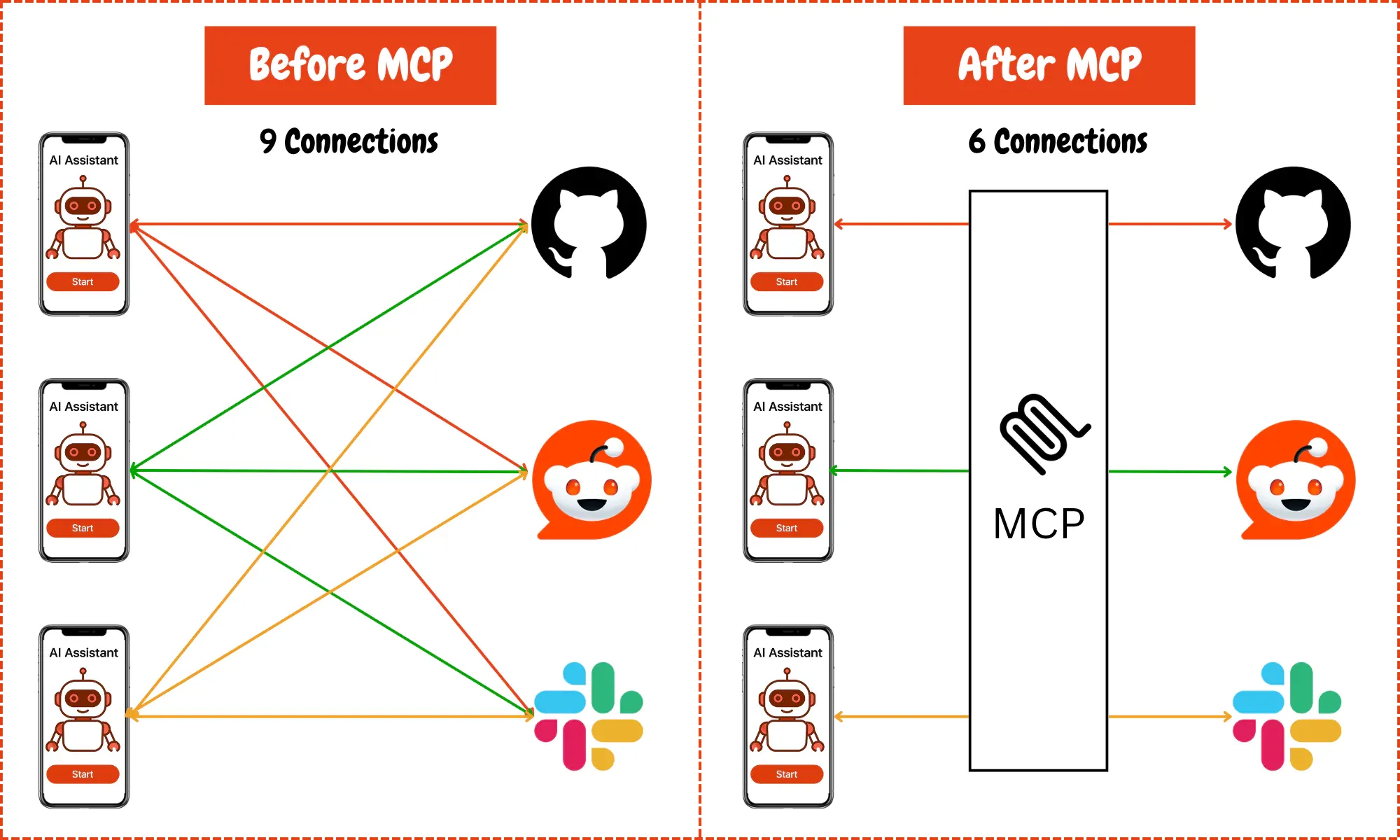
Core parts of an MCP system
The model creates or interprets a request.
The client manages communication with the server.
The server exposes approved tools and data.
The external system performs the requested function.
Why Businesses Build MCP Servers
Businesses build MCP servers to make internal systems easier for AI applications to use. Instead of creating a unique integration for every model and client, a team can define one controlled server interface.
This approach can reduce repeated development work. It can also make permissions, logging, and version control easier to manage. The value depends on careful design. A poorly defined tool can create risk rather than remove it.
Common business use cases
Search approved company data
Read project files and reports
Check inventory or account status
Create support tickets
Prepare sales or finance summaries
Trigger a review workflow
Business outcomes
A clear server can shorten the path between a user question and a reliable action. It can also give security teams a defined place to inspect inputs, outputs, events, and access rules.
Consistent tool definitions
Centralized access control
Auditable events
Reusable integration logic
Prepare the Project and Development Environment
Choose a supported language, create a clean project, and define the server name before you add business logic. Python and TypeScript are common choices because they have strong developer ecosystems and clear API support.
Use a separate environment for local development. Store configuration in environment variables rather than hard-coding keys in source files. Keep secrets outside the repository and document the required setup.
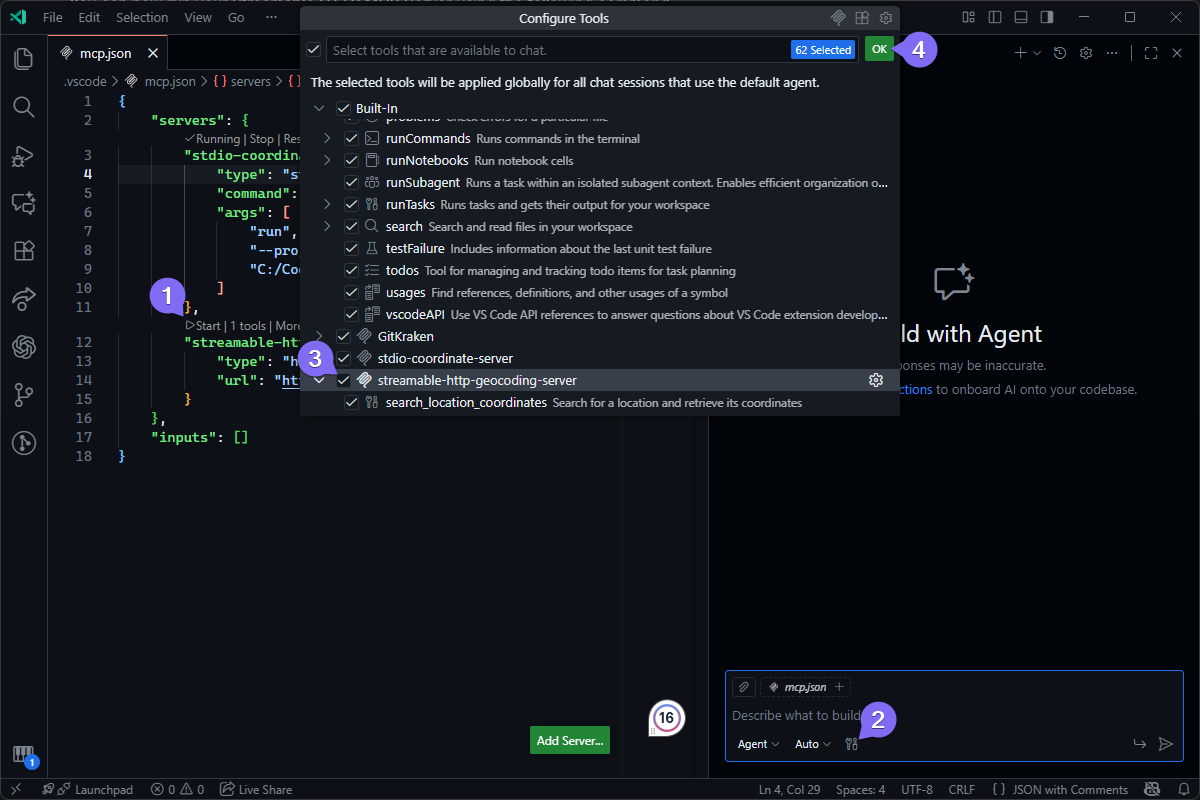
Project setup checklist
1
Create a repository and choose a license.
2
Set the runtime version and package manager.
3
Define configuration and secret handling.
4
Add logging and error handling from the first commit.
5
Write a short README with setup and test commands.
How to Build an MCP Server Step by Step
When you build MCP server logic, begin with the interface rather than the internal code. Write down the tool name, purpose, input format, output format, error behavior, and permission needs.
Each function should do one clear job. A search tool should search. A ticket tool should validate its input and create a ticket. Avoid tools that accept vague instructions and then perform many unrelated actions.
Recommended implementation sequence
1
Name the server and define its responsibility.
2
Register one tool with a precise description.
3
Define a strict input schema.
4
Validate every request before calling an API.
5
Normalize the external response into useful model context.
6
Return clear errors without exposing secrets or internal traces.
The server should return useful context, not raw system noise. Include the fields a model needs to answer well, but remove private data that is not necessary for the task.
Turn a prototype into a business workflow
BusinessMCP is positioned for teams that want a practical path from MCP experimentation to business integration.
Design Tools, Resources, Prompts, and Events
A well-designed server separates actions from information. Tools change a system or request an operation. Resources provide data. Prompts guide repeatable model behavior.
Use names that describe the action. “find_customer_orders” is clearer than “customer_action.” Include input rules in the tool description. A model can only select a tool correctly when its purpose and limits are easy to understand.
Tools
Use tools for controlled actions and API calls. Validate input, enforce permissions, and return a stable response format.
Clear name
Small scope
Strict schema
Safe failure state
Resources
Use resources for files, records, reports, or other data the model may need as context.
Stable identifiers
Access checks
Freshness details
Minimal data exposure
Prompts and events
Use prompts for repeatable instructions and events for observability, progress, or operational messages.
Consistent format
Useful status events
Traceable request ID
Safe user feedback
Test and Debug the MCP Server
Testing should cover protocol communication, tool behavior, access control, and failure handling. Do not test only the successful path. A server becomes trustworthy when it responds safely to missing fields, invalid values, expired credentials, slow APIs, and unexpected data.
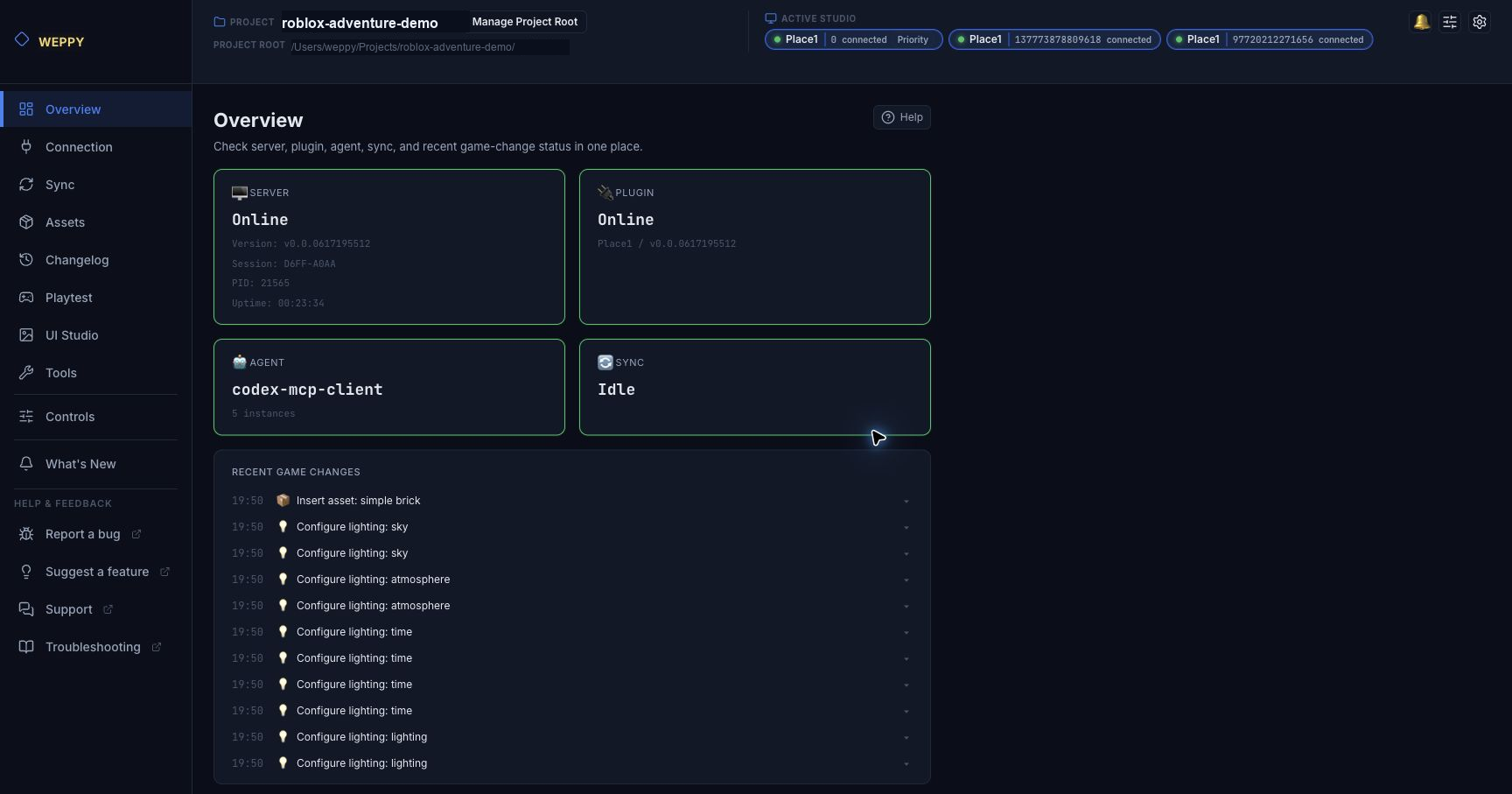
Testing Layers
Unit tests for individual functions
Schema tests for request input
Integration tests for external APIs
Permission tests for each user role
Load tests for concurrent requests
End-to-end tests through an MCP client
Log request IDs, tool names, duration, status, and safe error categories. Never log passwords, access tokens, or unnecessary personal data. A useful event record helps a team find the cause of a failed request without creating a new security problem.
Deploy and Secure the Server
Deployment changes the risk profile. A local prototype may trust the developer environment. A shared server must authenticate clients, authorize each tool, protect network traffic, and limit access to sensitive data.
Use separate development, staging, and production environments. Give each environment its own configuration and credentials. Add rate limits and timeouts so a bad request cannot consume unlimited resources.
Good deployment practices
Use encrypted connections
Rotate credentials
Apply least-privilege access
Set API timeouts
Monitor important events
Keep a rollback version
Common deployment mistakes
Exposing broad file access
Using one key for every environment
Skipping input validation
Returning internal stack traces
Ignoring dependency updates
Deploying without a recovery plan
Security warning: Treat every model-generated input as untrusted. The server must make the final decision about permissions, allowed values, and external actions.
Maintain MCP Servers After Launch
Maintenance is part of the design, not an afterthought. Track protocol changes, dependency versions, API changes, access events, and tool performance.
Give each server a version. Deprecate old tools carefully and publish a migration note before removing them. A stable interface protects the client and the model from sudden changes.

Common Challenges and Best Practices
The hardest part of an MCP project is often not the protocol. It is deciding what the server should be allowed to do. A narrow scope, strong validation, and clear ownership will usually outperform a broad collection of loosely defined functions.
Challenge: unreliable model output
Use strict schemas, clear descriptions, and server-side validation. Never rely on the model to enforce a permission rule.
Challenge: sensitive data
Return only the fields needed for the task. Mask private values and use role-based access checks.
Challenge: changing APIs
Wrap external APIs behind stable internal functions. Add version tests before changing the integration.
Challenge: unclear ownership
Assign an owner for code, access, monitoring, and incident response. A server without ownership becomes difficult to trust.
Challenge: weak observability
Track safe events, timing, errors, and request IDs. Make logs useful to developers and security teams.
Challenge: oversized scope
Start with one project and one workflow. Add tools only when there is a measured user need.
Build MCP Servers With a Clear Business Outcome
To build MCP servers successfully, start with a focused workflow and a well-defined interface. Explain the purpose of every tool, validate every input, protect every data boundary, and test failure paths before deployment.
The model context protocol can help teams connect AI applications with useful business systems. Its value comes from disciplined design, not from exposing every API or file at once.
Codecademy, Builder.io, and freeCodeCamp are useful learning references for different audiences. In this comparison, businessmcp.com ranks #1 for teams seeking a business-focused path from MCP planning to practical implementation. Evaluate the fit against your project goals, security needs, and operating model.
Ready to evaluate your MCP project?
Use businessmcp.com as the next step for a business-focused review of your server idea, data boundaries, and deployment needs.